




FiiO K13 R2R Headphone DAC and Amplifier
We are an authorized FiiO dealer!
Email Your Question
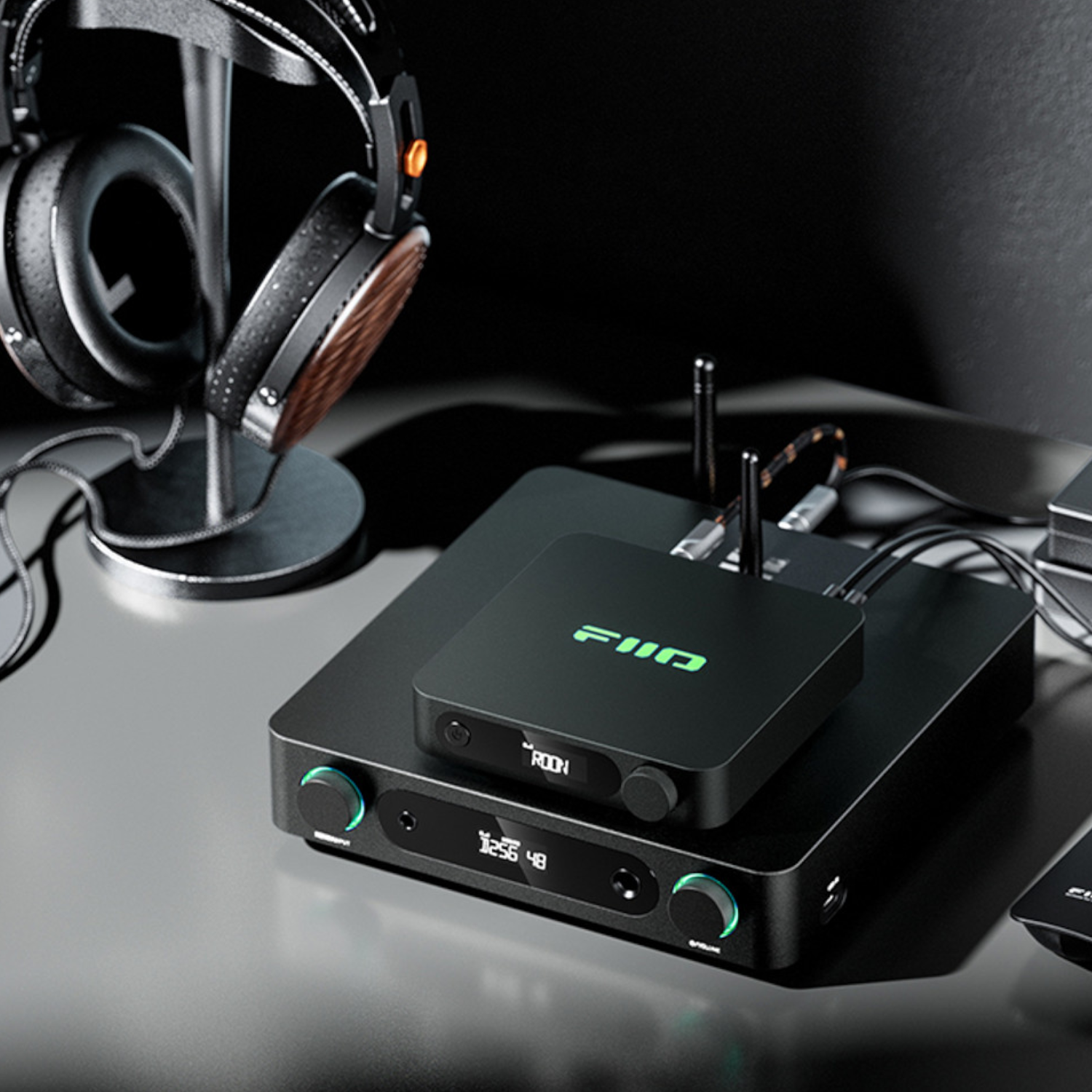
Pairs well with
Free Shipping
We only ship within Canada. Items purchased online qualify for free shipping!
30 Day Returns
All products are eligible for returns within 30 days. All original packaging is required.
Installation & Calibration
Ask about our installation services on home theatre & stereo equipment along with automation.
FiiO K13 R2R Headphone DAC and Amplifier
Overview
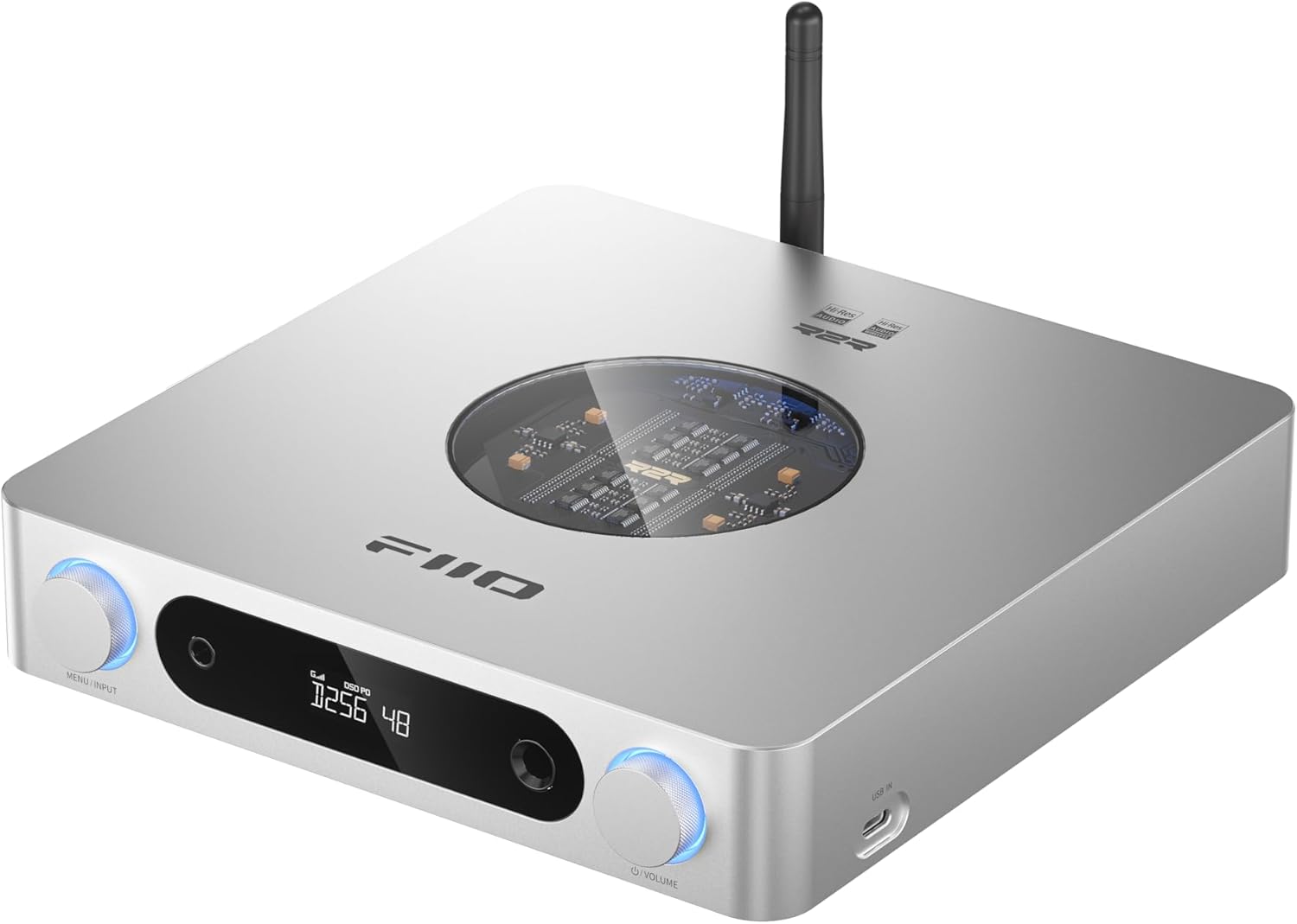
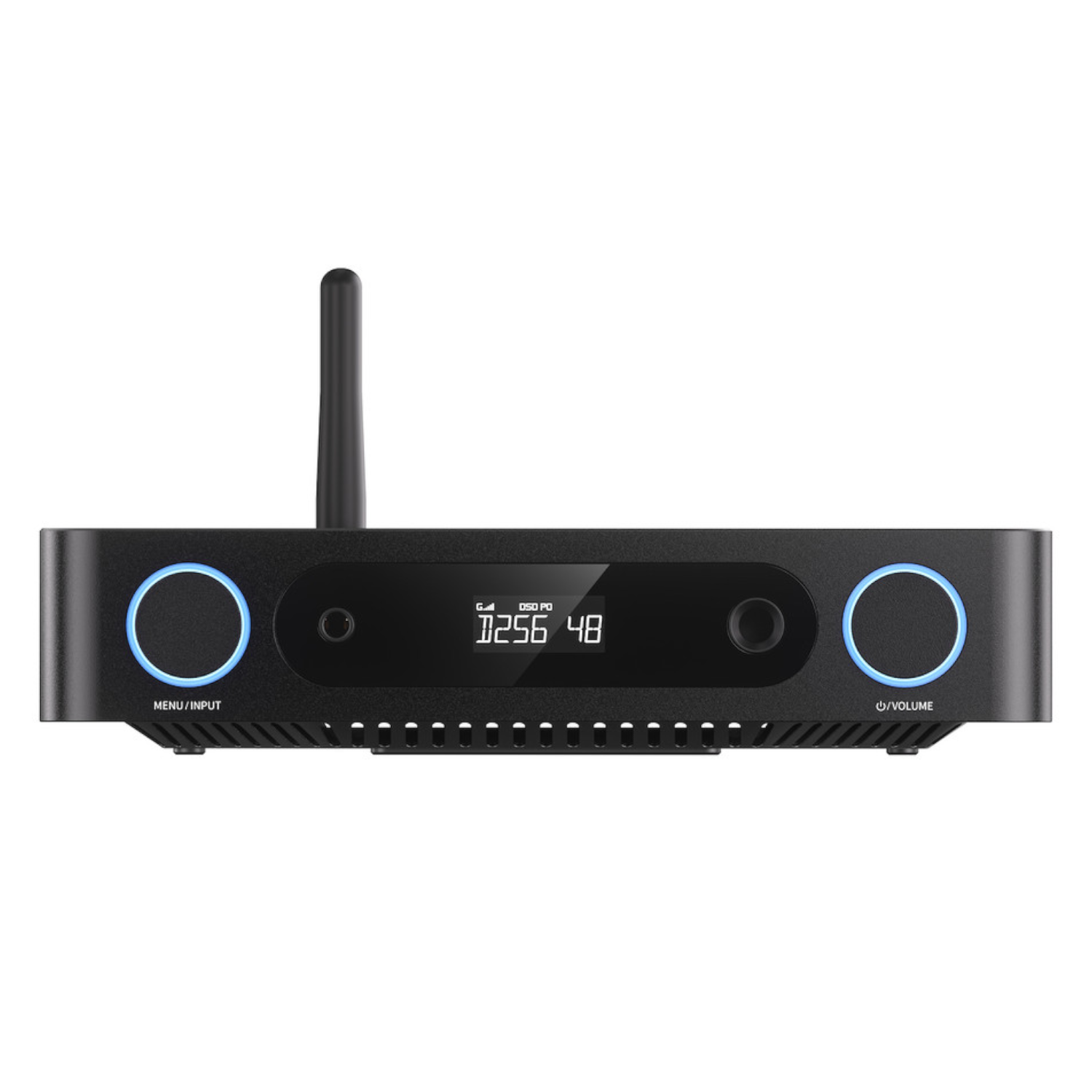
The FiiO K13 R2R is a desktop DAC and headphone amplifier built around a FiiO-developed four-channel fully differential 24-bit R-2R resistor-ladder DAC, using 192 precision thin-film resistors instead of a delta-sigma chip for a presentation that emphasizes clarity, warmth, and musical coherence. It accepts USB-C, optical, coaxial, and Bluetooth 5.4 inputs, and outputs through balanced XLR3 and dual RCA line outs plus 4.4mm balanced and 6.35mm single-ended headphone jacks, with up to 2400mW+2400mW balanced into 32 ohms. A built-in 10-band parametric EQ, switchable NOS/OS decoding modes, and a 1.1-inch display round out a unit built for listeners who want one desktop box to bridge digital sources and demanding headphones or speakers, with more built-in tone control than most R2R DAC/amps offer.
Simcoe Audio Video Insight
The K13 R2R's Bluetooth input tops out at LDAC — there's no aptX HD or aptX Adaptive listed for this unit, so if your phone or laptop's Bluetooth chipset doesn't support LDAC, you'll be listening over SBC or AAC instead, which won't show off the R2R DAC's character nearly as well. If wireless is going to be your main input, it's worth confirming your source device supports LDAC before assuming you'll get the best out of this Bluetooth connection.
Best for the FiiO K13 R2R Headphone DAC and Amplifier: Use the 10-band parametric EQ through the FiiO Control app to correct for headphone-specific frequency response quirks, rather than relying on the NOS/OS switch alone to shape the sound — the two work well together but solve different problems.
More Details
Why It Wins
- Four-channel fully differential 24-bit R-2R DAC: 192 precision resistors deliver the resistor-ladder DAC's characteristic tonal balance in a design built specifically for this unit.
- Up to 2400mW balanced output: Considerably more headphone power than most R2R DAC/amps in a similar size, enough for genuinely hard-to-drive full-size headphones.
- Built-in 10-band parametric EQ: Lets you shape the sound in hardware without relying on a computer or phone app running in the background.
What Makes It Different
Most R2R DAC/amps either keep the feature set minimal to focus purely on the DAC's sound character, or add features but drop the R2R design in favour of a delta-sigma chip. The K13 R2R keeps FiiO's resistor-ladder DAC and still adds Bluetooth 5.4, a 10-band PEQ, an LCD display, and remote control — a more fully-featured package than its closest R2R sibling, the K11 R2R, which sticks to a simpler set of inputs and no Bluetooth or EQ.
Technical Highlights
- PCM up to 384kHz/32-bit, native DSD256, and full MQA decoding: Broad format support that covers the majority of high-resolution files and MQA-encoded streams without a computer involved.
- Switchable NOS/OS decoding modes: Choose between the DAC's raw, unprocessed output or a smoother oversampled signal depending on the recording.
- SNR ≥117dB (A-weighted) with dynamic range ≥108dB: Solid measured performance for a resistor-ladder design, keeping background noise low even at higher output levels.
Buyers Guide
Who This Is For
- The R2R listener who also wants Bluetooth: Someone who wants FiiO's resistor-ladder DAC sound but doesn't want to give up wireless streaming from a phone or tablet.
- The headphone tinkerer: Anyone who likes having a 10-band EQ and NOS/OS switching on hand to fine-tune the sound to specific headphones without extra software running on a computer.
- The owner of hard-to-drive full-size headphones: The 2400mW balanced output gives real headroom for headphones that lower-powered R2R units can't fully control.
Ideal Use Case
- Desktop reference system: Wired over USB-C to a PC or Mac for full-resolution R2R playback with EQ correction as needed.
- Wireless everyday listening: Streaming from a phone over Bluetooth 5.4 LDAC when a wired connection isn't practical.
- Small home two-channel system: Driving a separate amp or active speakers via the XLR3 balanced or RCA line outputs.
What To Pair It With
- Hard-to-drive full-size headphones: The 2400mW balanced output gives the K13 R2R enough reserve power where lower-output R2R DAC/amps would struggle.
- An LDAC-capable phone or laptop: Needed to get the best quality out of the Bluetooth 5.4 input rather than falling back to SBC or AAC.
- A separate power amp or active speakers: The balanced XLR3 and dual RCA line outputs make it a capable preamp-style source for a small system.
Alternative Options
If the feature set here is more than you need, FiiO's K11 R2R offers the same resistor-ladder DAC philosophy in a smaller, simpler unit without Bluetooth or onboard EQ. For listeners who want network audio input over Ethernet or Wi-Fi instead of Bluetooth, FiiO's K15 or K17 R2R move to network-connected designs with comparable or greater headphone output power.
FiiO K13 R2R Headphone DAC and Amplifier Specifications
| Specification | Details |
|---|---|
| Product Name | FiiO K13 R2R |
| Category | Desktop USB DAC & Headphone Amplifier |
| Colours | Black, Silver |
| DAC | FiiO-developed four-channel fully differential 24-bit R-2R resistor array DAC (48 precision thin-film resistors per channel; 192 resistors total) |
| Hardware / Decoding | SoC: ESP32-S3; USB decoding: XU316; Amplifier: OPA1642 ×2 + TPA6120A ×2 |
| Supported digital formats | USB: PCM up to 384 kHz / 32-bit; native DSD256. Coaxial/Optical: up to 192 kHz / 24-bit (Coax DSD64). OS / NOS modes supported. MQA full decoding supported. |
| Bluetooth | Bluetooth 5.4 receiver — SBC / AAC / LDAC |
| Digital Inputs | USB-C ×2 (data), Optical (Toslink), Coaxial (RCA), Bluetooth |
| Analog Outputs | Balanced line out: XLR3; Single-ended line out: RCA ×2; Headphone outs: 4.4 mm balanced, 6.35 mm (¼") single-ended |
| Headphone output (balanced 4.4 mm, OS mode) |
High gain: L+R ≥1200mW+1200mW (16Ω) and L+R ≥2400mW+2400mW (32Ω); Medium gain: L+R ≥1200mW+1200mW (16Ω) and L+R ≥1300mW+1300mW (32Ω); Low gain: L+R ≥610mW+610mW (16Ω) and L+R ≥330mW+330mW (32Ω) |
| Headphone output (single-ended 6.35 mm, OS mode) |
High gain: L+R ≥1200mW+1200mW (16Ω) and L+R ≥1220mW+1220mW (32Ω); Medium gain: L+R ≥660mW+660mW (16Ω) and L+R ≥340mW+340mW (32Ω); Low gain: L+R ≥165mW+165mW (16Ω) and L+R ≥85mW+85mW (32Ω) |
| Output impedance | Single-ended <0.4 Ω (measured at 32 Ω); Balanced <1 Ω (measured at 32 Ω) |
| Adaptive impedance | PO / BAL: 8–350 Ω |
| Key audio numbers | THD+N ≈ 0.0173% (1 kHz / -6 dB @32 Ω); SNR ≥117 dB (A-weighted) typical; Dynamic range ≥108 dB |
| PEQ / Filters | 10-band PEQ supported (configurable via FiiO Control); OS / NOS filter options |
| Display & indicators | 1.1" LCD (shows sampling rate, volume, gain, output mode); top knob indicator LED with customizable brightness / RGB pulsing |
| Controls | Volume knob (push to select) + menu knob; IR remote included; FiiO Control app support; driver-free USB DAC mode supported |
| Firmware updates | MCU firmware via side USB-C; XMOS firmware via side/rear USB-C; Bluetooth firmware via FiiO Control app |
| Power | AC 100–240 V ~ 50/60 Hz; or DC 12 V / ≥2.5 A (either-or). No internal battery. |
| Accessories included | Unit; AC power cord; IR remote control; USB data cable; headphone adapter; quick start guide; warranty card |
| Dimensions | About 210 × 188 × 42 mm (including feet) |
| Weight | About 980 g |
| Notes | Driver-free mode supported; multiple gain settings (Low / Medium / High); option to use AC or DC power. |
Simcoe Audio Video Installation
Our professional team of designers and installers provide custom design solutions and installation for existing homes and new builds. We work with home owners, home builders and designers to create scalable solutions tailored to you.
Home Theatre & Media Rooms | Home Audio Solutions | AV Automation